Just How to Select Assisted Living Near Me Without Really feeling Overwhelmed
Business Name: BeeHive Homes of Draper
Address: 711 Pioneer Rd, Draper, UT 84020
Phone: (801) 495-3100
BeeHive Homes of Draper
Full service assisted living facility serving southern Salt Lake County offering all-inclusive Memory Care, Assisted Living, and Senior/Adult Day Care services.
711 Pioneer Rd, Draper, UT 84020
Business Hours
The search for assisted living seldom starts as a cool planning project. It normally starts with a minute that really feels a little too actual. Perhaps a parent missed out on medicines twice in one week. Perhaps the fridge is complete, yet absolutely nothing fresh has been consumed. Perhaps an autumn, a driving scare, or a pile of unpaid bills made it clear that living alone has come to be harder than it looks from the outside.
That is why the expression "assisted living near me" gets typed into a search bar with such seriousness. Individuals are not looking for a way of living upgrade. They are trying to fix a problem, commonly while bring sense of guilt, fatigue, and a dozen opinions from brother or sisters, medical professionals, and next-door neighbors. The stress to make the right selection can feel intense due to the fact that, in a really functional sense, it is. The best area can bring safety, framework, and alleviation. The wrong one can produce frustration, additional cost, and an uneasy feeling that no one is truly paying attention.
The great information is that this choice comes to be much less frustrating once you understand what to try to find and what to disregard. Assisted living is not one single experience, and the best option is seldom the fanciest building or the local address on the map. It is the location that fits the person's real requirements, practices, budget plan, and personality. That takes some sorting, however not almost as high as people are afraid when they initially begin.
Start with the individual, not the brochure
The simplest error is to start with facilities. A refined dining-room, a schedule full of activities, and a cheerful internet site can all be reassuring, however they do not respond to one of the most important question: what does this older grown-up need assist with every day?
Assisted living is developed for individuals who do not need continuous proficient nursing care yet do require assistance with some combination of bathing, dressing, meals, medication reminders, housekeeping, wheelchair, or guidance. That support can look very different from one resident to one more. A single person might need assistance only in the mornings and prefer a relatively independent routine. An additional might need suggestions throughout the day and close oversight as a result of memory modifications, balance concerns, or persistent illness.
Before touring areas, it assists to document what is actually occurring in your home. Not what the household wishes is taking place, but what is. Is the person eating regular dishes? Are they showering securely? Are they missing out on drugs? Are they lonesome, perplexed at night, or having a hard time to keep up with your home? A clear image of every day life makes the search far more precise.
Families commonly uncover that what they believed was "just a little lapse of memory" is actually a pattern, or that what appeared like "stubbornness" is actually fear of shedding freedom. Those information issue. Assisted living needs to support function, not simply offer an enjoyable location to live.
Know the distinction between assisted living and other senior care
Many people start by looking for senior care near me and rapidly recognize that the alternatives are a lot more different than expected. That can be practical, yet it also develops choice exhaustion. Assisted living is one part of a bigger care continuum, and comprehending where it rests can prevent expensive mismatches.
Assisted living normally functions well for people that can still join their day with some support. It is not the like independent living, where residents generally handle whatever themselves. It is additionally not the same as a nursing home, which is better matched to individuals with complicated clinical needs requiring 24-hour knowledgeable care. Memory care can be component of an assisted living area, however specialized memory care is normally more organized and protected for residents with moderate to sophisticated dementia.
There is additionally respite care, which is frequently neglected. Respite care can be a short-term stay that provides household caregivers a break after surgical procedure, during traveling, or throughout a duration of fatigue. It is not just a backup plan. For some family members, it comes to be the most intelligent way to test whether a community seems like the ideal fit before making a longer commitment.
If the language around care degrees feels complex, that is normal. Neighborhoods use comparable terms in somewhat different methods, and sales groups normally highlight what their building succeeds. The useful question is not "What do they call this?" but "What degree of day-to-day help is really supplied, and what takes place if demands increase?"
What to look for when you tour
A tour can inform you much more than a glossy packet ever will, but only if you take notice of the best information. Clean floorings issue, yet so does whether the staff seems rushed. Appealing common areas matter, yet so does whether residents are sitting alone or involved with one another. An area can look stunning and still really feel thin on warmth.
The most beneficial indications are frequently small. Are people attended to by name? Do caretakers make eye contact when they speak? Does the dining-room really feel lively or sketchy? Are locals walking around with self-respect, or do they appear handled rather than sustained? A good assisted living community does not really feel like a resort pretending to be a care setting. It feels like an area where routines are constant and individuals are known.
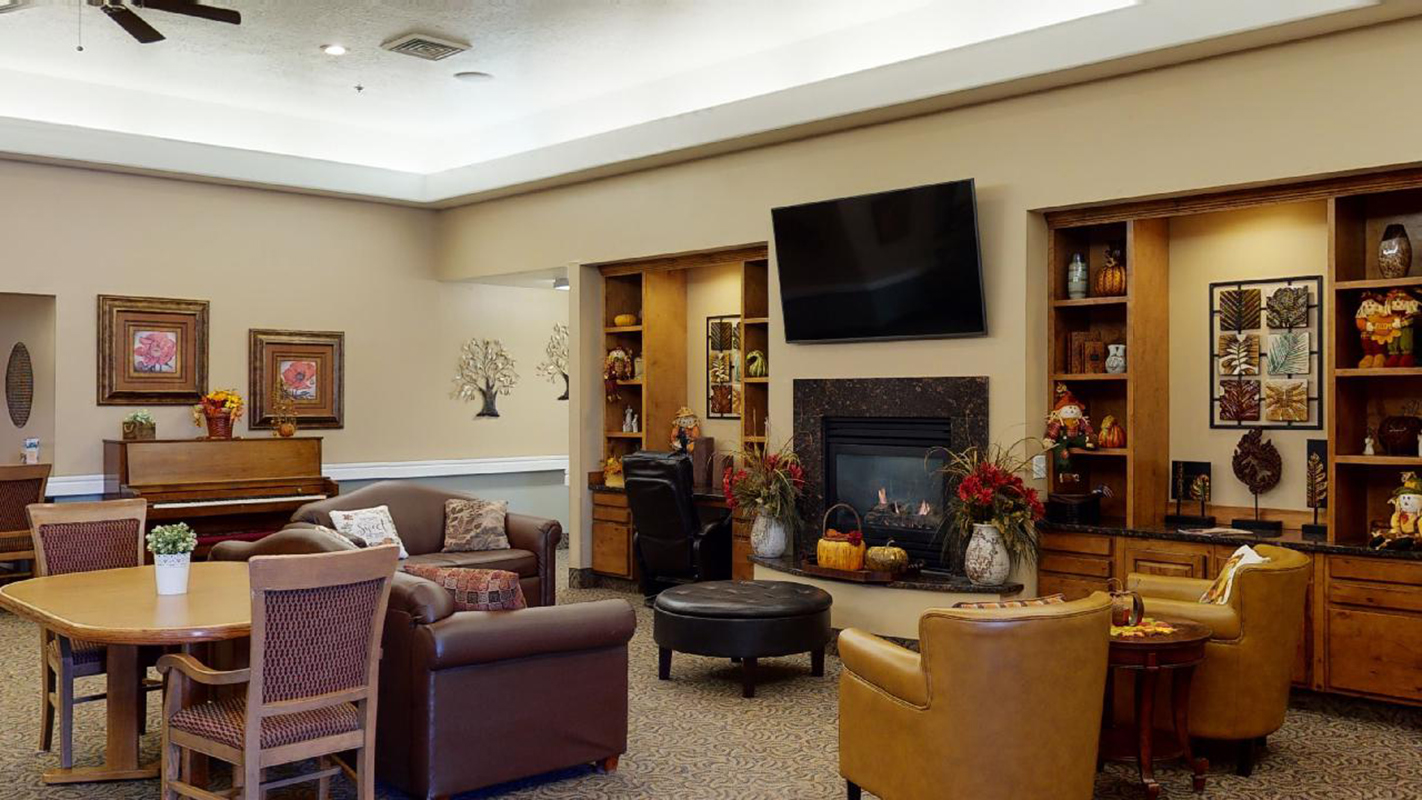
Pay interest to the home also. A small apartment may suffice for one resident, while one more needs a one-bedroom design merely to preserve a sense of splitting up in between resting and living. Wardrobe room, washroom safety features, lights, and the capability to personalize the space can matter more than people anticipate. If a person has constantly had a certain chair, a preferred light, or a chest of family members photos, those acquainted things can reduce the shift significantly.
Smell is another underappreciated clue. Strong smells, either of urine or frustrating disinfectant, can signify inadequate housekeeping or rushed care. Neither is a great indication. So is a dining room that really feels strangely silent at mealtime. A healthy community has a rhythm. It may not be perfect, but it needs to feel lived in.
The inquiries that divide refined solutions from genuine ones
A sales tour often seems smooth. The real worth originates from asking inquiries that need certain, functional answers. You do not require to question anyone, yet you do require sufficient detail to contrast communities fairly. These questions have a tendency to disclose more than general promises.
- How numerous caretakers are on task during the day and during the night, and just how do they react if numerous homeowners need help at once?
- What specifically is included in the regular monthly price, and what services set you back extra?
- How do you handle medicine monitoring, emergency situations, and changes in care needs?
- What takes place if a resident begins to need even more aid than assisted living can provide?
- Can locals remain here if they create light memory loss, or would certainly that need a transfer to one more setting?
Those solutions issue since the concealed costs of senior living can amaze family members. A community might market an attractive base rate, but fees for medication management, transportation, individual care, or greater service levels can swiftly transform the month-to-month total. It is far better to ask early than to uncover later on that the spending plan just services paper.
Also inquire about staffing connection. A community can have adequate caretakers on the routine and still struggle if turn over is high. Households see when the exact same couple of people seem stretched thin month after month. Stability matters. Homeowners adjust even more conveniently when names and encounters keep familiar.
Think carefully about location, not simply convenience
Typing "assisted living near me" generally implies distance is part of the decision, and appropriately so. A neighboring area makes visits easier, streamlines medical professional appointments, and aids the older grown-up remain linked to acquainted individuals. Yet "near me" must not be the only filter.
Sometimes the closest option is not the most effective fit for care, spending plan, or atmosphere. In some areas, a slightly longer drive opens a better area, better staffing, or a better match for a resident's preferences. If the household visits weekly, an extra 15 or 20 minutes might be worth it. If the individual has a long time church, favored medical professional, or close-by friends, remaining within that area may matter more than lots of people realize.
It deserves thinking of the long term as well. If adult children live in different parts of town, or if one member of the family will become the primary visitor, transport and traffic patterns can shape the experience greater than individuals anticipate. An area that is physically close however difficult to gain access to can become a useful concern. A somewhat further area with easy vehicle parking and straightforward paths may in fact be simpler to sustain.
Budget with your eyes open
Cost is commonly the most psychologically difficult part of the procedure due to the fact that it collides with household responsibility. Assisted living can be a meaningful financial investment, however it is still a cost that has to fit real life. The goal is not to locate the most affordable alternative. The objective is to recognize what you are spending for and whether it matches the level of support needed.
Monthly prices differ extensively depending on apartment dimension, care level, area, and included services. Some neighborhoods pack meals, housekeeping, and basic personal support right into one rate. Others itemize virtually everything. Neither framework is naturally much better, but the second one calls for more focus. A household comparing communities ought to request a written break down of what is included today and what may alter if care requirements increase.
It is also important to inquire about entryway fees, down payments, area charges, and policies for price rises. Some locations modify prices every year, while others adjust solutions regularly as needs change. If memory care or a higher care degree may be required later, comprehend exactly how those shifts function economically. A clear budget discussion can feel awkward initially, but it avoids bigger stress and anxiety later.
Families occasionally overestimate for how long a loved one can continue to be safely at home with jumble aid. That assumption can make assisted living seem much more costly than it is, till the covert costs of staying at home are accumulated. Home care, grocery stores delivered, transport, home cleaning, home adjustments, and household time off work all add up swiftly. The contrast must be sincere, not sentimental.
Watch for fit, not simply features
A neighborhood can check every useful box and still feel wrong. Culture matters. Some communities really feel energetic and social, with homeowners that collect conveniently for dishes and programs. Others really feel quieter and much more personal. Some interest outbound people that want consistent communication. Others fit somebody who chooses framework, predictability, and a lower-key environment.
Try to think of the person's actual day there. Would certainly they take pleasure in the pace? Would they like the food? Would they join activities, or would they really feel pressured by them? If the resident is shy, a showy activity schedule might not matter a lot. If they grow on discussion, a quiet building may leave them isolated.
Memory worries can make fit even more important. A person with mild cognitive modifications may do well in assisted living if the building is organized and the staff is attentive. If complication is more advanced, a typical assisted living setting may not give adequate oversight, particularly in the evening. Family members occasionally wish that relocating when will certainly be enough, however the very best result is typically to choose the best level of assistance from the start.
Anecdotally, the households that appear most eased after relocating a loved one are not always the ones who chose the most expensive place. They are the ones who required time to observe whether the resident appeared comfortable, whether the personnel listened meticulously, and whether the everyday environment matched the individual's practices. That type of fit is hard to fake for long.
Give on your own consent to take a 2nd look
A first tour serves, however it ought to not carry the entire decision. If a location really feels encouraging, visit once again at a various time of day. Lunch hours, late mid-day, and very early night can inform various tales. You might see just how well the staff takes care of shifts, whether homeowners appear cleared up after activities, or how promptly call lights are answered.
If possible, bring the individual who will live there on the second visit. Relative often see one set of information, while the future resident notifications an additional. A single person may respect the shower setup, while another is focused on whether there is a terrace, a yard, or a view that really feels familiar. Those choices are not surface. They affect just how in the house a person really feels assisted living draper ut on the first day and day 100.
Trust the response, however do not panic to one awkward minute. Every area has incomplete days. A late lunch or a weary employee does not always suggest inadequate care. What issues is the pattern. One off day is sound. A recurring feeling of lack of organization is information.
Make the decision with a simple framework
When choices start to blur with each other, it assists to tighten them through a few sensible filters. This is not concerning developing a stiff scorecard. It has to do with reducing emotional noise so the decision ends up being manageable.
Consider these 3 filters in plain language: safety, sustainability, and dignity. Safety asks whether the neighborhood can satisfy day-to-day demands reliably. Sustainability asks whether the family can afford it and live with the logistics in time. Dignity asks whether the resident will certainly really feel highly regarded, seen, and as similar to themselves as possible.
That structure maintains the conversation based. A lovely place that stresses the spending plan may not be lasting. A low-cost area that feels understaffed may not be safe. A well-run area that really feels impersonal may not protect self-respect. The right response usually sits in the overlap of those three concerns, even if it is not ideal in every category.
It can likewise help to make a note of what would certainly be a dealbreaker and what would simply be a choice. An exclusive area may be a choice. Clear medicine monitoring might be a dealbreaker. A much shorter drive may be valuable, however great staffing might matter much more. Separating those 2 classifications maintains the search from becoming unclear and endless.
When the relocation finally happens
The very first few weeks in assisted living are commonly bumpy, also when the choice is dead-on. That is regular. The individual is getting used to a new room, new regimens, new food, and brand-new faces. Family members are adjusting too. Sense of guilt, alleviation, and uncertainty often appear all at once.
A great area will certainly anticipate that shift and support it. Personnel needs to assist the resident resolve in, find out names, and discover a rhythm. Family visits in the early period can assist, yet too many opinions at once can likewise be stressful. It is commonly far better to keep the environment calmness and allow the new routine take hold.
If the move followed a dilemma, there may be some despair affixed to it. That does not imply the selection was incorrect. It indicates the household is human. Assisted living does not remove aging or loss. What it can do is make daily life a lot more convenient, minimize threat, and bring back a measure of simplicity that was escaping at home.
Choosing assisted living near me does not have to end up being a month-long experience of second-guessing. When you concentrate on actual demands, ask straight inquiries, visit greater than as soon as, and take notice of exactly how an area really feels in technique, the course comes to be more clear. The appropriate neighborhood will certainly not just look great on paper. It will certainly make common days safer, steadier, and easier to endure, which is what most families are truly trying to find when they begin the search.
BeeHive Homes of Draper provides assisted living care
BeeHive Homes of Draper provides memory care services
BeeHive Homes of Draper provides respite care services
BeeHive Homes of Draper supports assistance with bathing and grooming
BeeHive Homes of Draper offers private bedrooms with private bathrooms
BeeHive Homes of Draper provides medication monitoring and documentation
BeeHive Homes of Draper serves dietitian-approved meals
BeeHive Homes of Draper provides housekeeping services
BeeHive Homes of Draper provides laundry services
BeeHive Homes of Draper offers community dining and social engagement activities
BeeHive Homes of Draper features life enrichment activities
BeeHive Homes of Draper supports personal care assistance during meals and daily routines
BeeHive Homes of Draper promotes frequent physical and mental exercise opportunities
BeeHive Homes of Draper provides a home-like residential environment
BeeHive Homes of Draper creates customized care plans as residents’ needs change
BeeHive Homes of Draper assesses individual resident care needs
BeeHive Homes of Draper accepts private pay and long-term care insurance
BeeHive Homes of Draper assists qualified veterans with Aid and Attendance benefits
BeeHive Homes of Draper encourages meaningful resident-to-staff relationships
BeeHive Homes of Draper delivers compassionate, attentive senior care focused on dignity and comfort
BeeHive Homes of Draper has a phone number of (801) 495-3100
BeeHive Homes of Draper has an address of 711 Pioneer Rd, Draper, UT 84020
BeeHive Homes of Draper has a website https://beehivehomes.com/locations/draper/
BeeHive Homes of Draper has Google Maps listing https://maps.app.goo.gl/LgtrXf95hQFVgKrY8
BeeHive Homes of Draper has Facebook page https://www.facebook.com/BeeHiveDraper/
BeeHive Homes of Draper won Top Assisted Living Homes 2025
BeeHive Homes of Draper earned Best Customer Service Award 2024
BeeHive Homes of Draper placed 1st for Utah Senior Living Communities 2025
People Also Ask about BeeHive Homes of Draper
What is BeeHive Homes of Draper Living monthly room rate?
Our monthly rates for both Assisted Living and Memory Care at BeeHive Homes of Draper are thoughtfully designed to be all-inclusive. While pricing reflects each resident’s unique care needs, families appreciate that once a rate is established, it remains stable - no hidden fees or surprise increases as care evolves. We believe in clarity, consistency, and peace of mind
Can residents stay in BeeHive Homes of Draper until the end of their life?
In many cases, yes. We are honored to support residents throughout their journey, including end-of-life care, right here in the comfort of our Draper home. There are rare occasions when medical needs exceed our licensing (such as 24-hour skilled nursing) but we’ll always guide families through any transition with care and compassion
Do we have a nurse on staff?
Yes, we do. Our Registered Nurse, Jacque Parker, R.N., works closely with local home health nurses and house-call physicians to coordinate excellent care. This collaboration allows us to meet a wide range of health needs right here at home
What are BeeHive Homes of Draper's visiting hours?
We know how important it is to stay close to loved ones. That’s why visiting hours at our Draper home are flexible and designed around what works best for the resident. You’re welcome to visit during the day... just try not to come to early and stay too late
Do You Offer Rooms for Couples?
Yes, we do! BeeHive Homes of Draper offers select suites for couples who wish to continue living together while receiving care. These shared accommodations preserve comfort and connection while ensuring both individuals get the personalized support they need. Availability is limited, so reach out to learn more
Do You Provide Senior Day Care or Respite Services?
Absolutely. Our senior day care and short-term respite care options are perfect for families who need extra help during the day or while traveling. Guests enjoy the same high-quality care, engaging activities, and home-cooked meals as our full-time residents, all in a safe, social environment. We’ll help you find a care plan that fits your schedule and your loved one’s needs.
What’s the Difference Between Assisted Living and Memory Care?
Assisted living is best for seniors who benefit from help with daily activities but still enjoy socializing and independence. Memory care is a more structured service tailored to individuals with Alzheimer’s or other cognitive conditions, with routines, guidance, and security that support safety and emotional well-being.
Where is BeeHive Homes of Draper located?
BeeHive Homes of Draper is conveniently located at 711 Pioneer Rd, Draper, UT 84020. You can easily find directions on Google Maps or call at (801) 495-3100 Monday through Sunday Open 24 hours
How can I contact BeeHive Homes of Draper?
You can contact BeeHive Homes of Draper by phone at: (801) 495-3100, visit their website at https://beehivehomes.com/locations/draper/ or connect on social media via Facebook
Basta Pasteria is a welcoming restaurant where families connected with Assisted living, memory care, senior care, elderly care, and respite care can gather for enjoyable meals together.